Cabin heating is one of the factors that can noticeably affect a hybrid vehicle’s fuel economy, particularly during cold weather. Unlike a conventional gasoline car, a hybrid relies on both an internal combustion engine and an electric motor, so the way it produces heat can influence when the engine runs, how much battery power is used, and how efficiently the vehicle operates.
Many drivers expect a hybrid to use very little fuel because it can travel short distances on electric power. However, turning on the heater during a cold morning can change that behavior. The engine may run more frequently, the electric battery may provide less assistance, and fuel consumption can increase even on relatively short trips.
Understanding how cabin heating affects hybrid vehicle efficiency can help drivers stay comfortable while making better use of their vehicle’s hybrid system.
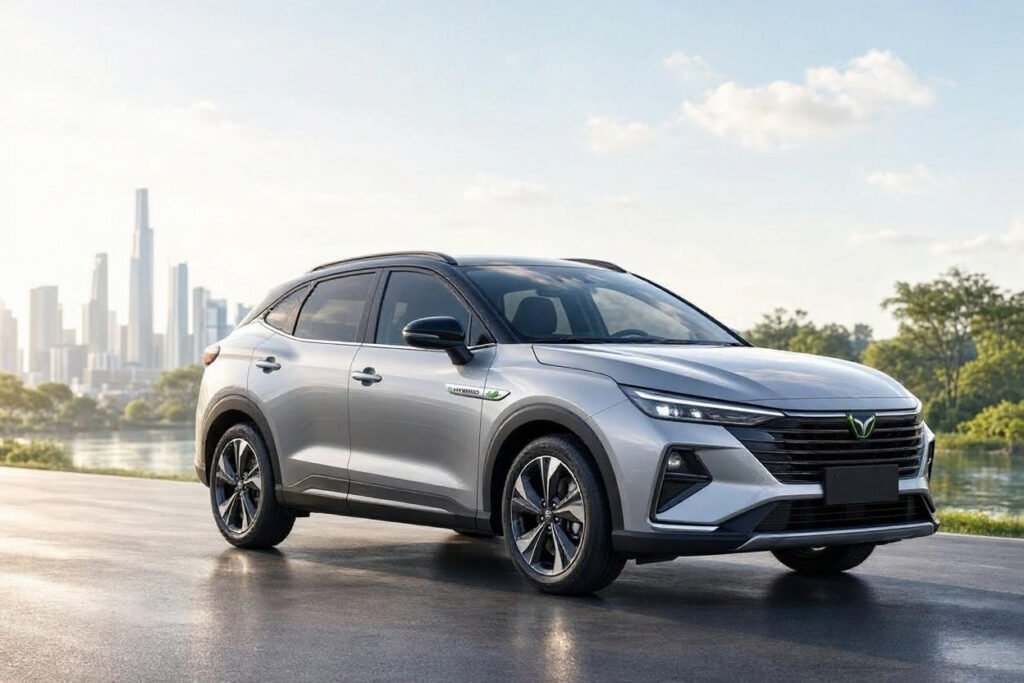
1. Why Cabin Heating Can Increase Hybrid Fuel Consumption
Most gasoline-powered vehicles produce a significant amount of waste heat while the engine runs. A conventional car can use some of this heat to warm the cabin. Hybrid vehicles can do the same, but their engines often shut off when additional power is unnecessary.
This creates an important difference.
When a hybrid engine switches off at a stoplight or during low-speed driving, it may no longer produce enough heat to maintain the desired cabin temperature. Depending on the vehicle’s design and temperature settings, the engine may restart to generate additional heat.
Consequently, a hybrid that might otherwise travel electrically at low speeds can begin using gasoline more frequently when the heater is running.
The effect is usually more noticeable when the outside temperature is very low, the cabin is cold, and the journey is short.
2. How Hybrid Vehicles Produce Cabin Heat
Hybrid vehicles use different heating systems depending on their design. Understanding these systems explains why heating affects fuel economy differently from one model to another.
Engine Waste Heat
Many conventional hybrids use heat from the gasoline engine to warm the cabin. Coolant circulates through the engine and carries heat to the heater core, where a fan distributes warm air through the ventilation system.
The challenge is that the engine may not need to run continuously to move the vehicle. When the engine stops, the supply of new heat decreases. If the cabin requires more warmth, the vehicle may restart the engine or keep it running longer than it would without heating demand.
Electric Resistance Heating
Some hybrid models use an electric heating element to warm the cabin. This system can produce heat without requiring the gasoline engine to run solely for that purpose.
However, electric resistance heating draws energy from the high-voltage battery. The hybrid system may later need to replenish that energy using the engine or regenerative braking. If the engine generates electricity to support heating, fuel consumption can still rise.
Heat Pump Systems
Certain electrified vehicles use heat pumps, which transfer heat rather than generating all of it directly through electrical resistance. Heat pumps can provide cabin warmth using less electricity under suitable conditions.
Their effectiveness depends on the system design and outdoor temperature. A heat pump may become less effective in severe cold, and some vehicles use supplemental heating to maintain comfortable cabin temperatures.
3. Why the Engine Runs More Often When the Heater Is On
One of the most important reasons cabin heating affects hybrid efficiency is the engine’s need to maintain operating temperature.
When a hybrid starts in cold weather, the engine and coolant are initially cold. If the driver requests substantial cabin heat, the vehicle may keep the engine running until sufficient heat becomes available.
The engine may also restart after it has warmed up if the coolant temperature drops or the cabin heating demand increases.
This can reduce the time the vehicle spends operating with the gasoline engine switched off. It may also increase fuel consumption during short journeys because the engine spends a larger proportion of the trip warming up instead of operating under more efficient conditions.
Some hybrids use electric heaters, exhaust heat recovery, or other thermal-management systems to reduce this effect, so the exact behavior varies by model.
4. Does the Cabin Heater Drain the Hybrid Battery?
The cabin heater does not necessarily drain the hybrid battery in the same way as a large accessory operating continuously in an electric-only vehicle. The result depends on the heating system and the vehicle’s energy-management strategy.
An electrically powered heater draws energy from the high-voltage battery. Other components, including the blower fan, climate-control electronics, and electrically driven coolant pumps, may also require electricity.
When battery charge decreases or heating demand becomes high, the hybrid control system can respond by running the engine more often or reducing electric-only operation.
In a self-charging hybrid, the battery is generally replenished through regenerative braking and engine-generated electricity. However, this does not mean heating energy is free. Producing electricity from gasoline consumes fuel, and energy conversion always involves losses.
5. Cabin Heating Versus Air Conditioning in a Hybrid
Both heating and cooling can influence hybrid efficiency, but they do so in different ways.
Cabin heating can require the engine to run longer to provide waste heat, or it can draw electricity through an electric heater or heat pump. Air conditioning usually places an additional load on the vehicle’s electrical or engine-driven climate system.
In hot weather, an electrically driven air-conditioning compressor may draw power from the hybrid battery. In cold weather, the heating system may cause additional engine operation, especially in hybrids that depend heavily on engine coolant for cabin warmth.
The overall effect depends on outside temperature, cabin settings, journey length, and the vehicle’s equipment. Neither heating nor air conditioning has the same impact across every hybrid model.
6. Five Products That Can Help Manage Cabin Heating and Winter Efficiency
Drivers can improve winter comfort and avoid unnecessary energy use by maintaining the vehicle and monitoring its performance. The following product categories may be useful for hybrid owners.
| Product | Best For | Why It’s Useful | Amazon Link |
|---|---|---|---|
| Digital tire pressure gauge | Winter tire maintenance | Helps check tire pressure, which can fall as temperatures drop and affect rolling resistance | Shop on Amazon |
| OBD2 diagnostic scanner | Checking compatible vehicle systems | Can help identify certain diagnostic trouble codes when supported by the vehicle | Shop on Amazon |
| Digital cabin thermometer | Monitoring cabin comfort | Helps drivers avoid setting the cabin temperature higher than necessary | Shop on Amazon |
| Windshield sunshade | Reducing temperature changes while parked | Can help limit solar heat gain in sunny conditions, reducing some cooling demand later | Shop on Amazon |
| Automotive battery tester | Checking compatible 12-volt batteries | Helps assess the condition of the conventional 12-volt battery, which supports vehicle electronics | Shop on Amazon |
Always confirm compatibility before purchasing diagnostic equipment or battery-testing tools. These products do not directly eliminate the energy required for cabin heating, but appropriate maintenance can help prevent other factors from worsening fuel economy.
7. Practical Ways to Reduce Heating-Related Energy Use
You do not need to leave the cabin cold to improve hybrid efficiency. A few sensible adjustments can help balance comfort and fuel consumption.
Use Moderate Temperature Settings
Set the climate control to a comfortable temperature rather than immediately selecting maximum heat. A very high setting can increase heating demand, particularly when the cabin and engine are cold.
Use Heated Seats and Steering Wheels
If your hybrid has heated seats or a heated steering wheel, consider using them alongside a moderate cabin temperature. These features warm occupants directly and may allow you to reduce the amount of warm air required.
They still consume energy, but their localized heating can be useful for comfort without needing to heat the entire cabin as aggressively.
Combine Short Trips When Possible
A cold engine needs time to reach its normal operating temperature. Several separate short journeys may repeatedly require warm-up periods, increasing fuel consumption.
Combining errands into one trip can reduce repeated cold starts and make better use of the engine’s available heat.
Keep the Climate System in Good Condition
A clogged cabin air filter, malfunctioning thermostat, or cooling-system problem can interfere with proper heating and engine temperature management. Follow the maintenance schedule recommended by the vehicle manufacturer.
Do not block battery cooling vents or modify the hybrid cooling system to improve heating performance.
Use Automatic Climate Control Wisely
Automatic climate control can manage the cabin temperature without constant manual adjustments. In some vehicles, Eco climate modes reduce blower output or heating demand to improve efficiency.
Check your owner’s manual to understand what your model’s Eco and climate settings actually change.
8. Does Preheating a Hybrid Improve Fuel Economy?
Preheating can improve comfort and may reduce the need for aggressive heating after departure, but the effect on overall efficiency depends on how the vehicle produces that heat.
A plug-in hybrid may support scheduled cabin preconditioning while connected to an external power source. This can reduce the battery energy needed for cabin heating after driving begins, depending on the vehicle and charging setup.
A conventional self-charging hybrid generally cannot use an external charger to preheat its cabin. Remote-starting the engine may warm the cabin, but it consumes fuel while the vehicle is stationary. Idling a gasoline engine solely to warm the cabin is not necessarily an efficient strategy.
Always use manufacturer-approved preconditioning features and follow local rules regarding unattended vehicles.
9. When Does Cabin Heating Affect Efficiency the Most?
Heating usually has its greatest effect under a combination of cold outdoor temperatures, short trips, frequent stops, and high cabin heat demand.
During a longer drive, the engine may reach operating temperature and provide a more consistent supply of waste heat. However, the engine can still run more often than usual if the heating system requires additional heat.
The effect may be smaller in hybrids equipped with efficient heat pumps, electric cabin heaters, or advanced thermal-management systems. Driving conditions, battery temperature, and the amount of heating required all influence the final result.
Cabin heating affects hybrid vehicle efficiency because producing comfortable cabin temperatures requires energy. Depending on the design, that energy may come from engine waste heat, electricity from the hybrid battery, or a combination of both.
In colder weather, a hybrid may run its gasoline engine more frequently to warm the cabin and maintain the engine’s operating temperature. This can reduce electric-only driving and increase fuel consumption, particularly during short trips.
Drivers can limit unnecessary energy use by selecting moderate climate settings, using available heated seats, combining short journeys, and keeping the vehicle properly maintained. The goal is not to avoid using the heater but to understand how it interacts with the hybrid powertrain.