
At first glance, a hybrid vehicle does not look much different from a regular gasoline car. Both have seats, steering wheels, brakes, and familiar driving controls. You fill them with fuel, turn them on, and drive away. But beneath the surface, the two vehicles work in very different ways.
A regular gasoline car depends primarily on an internal combustion engine to produce the power needed to move. A hybrid vehicle combines that engine with an electric motor and a battery, allowing it to use gasoline and electrical energy together. The car’s computer decides how to balance these power sources as driving conditions change.
That difference affects much more than fuel consumption. It can influence how quietly the vehicle moves, how it behaves in traffic, how it recovers energy while braking, and what owners need to consider when buying and maintaining one.
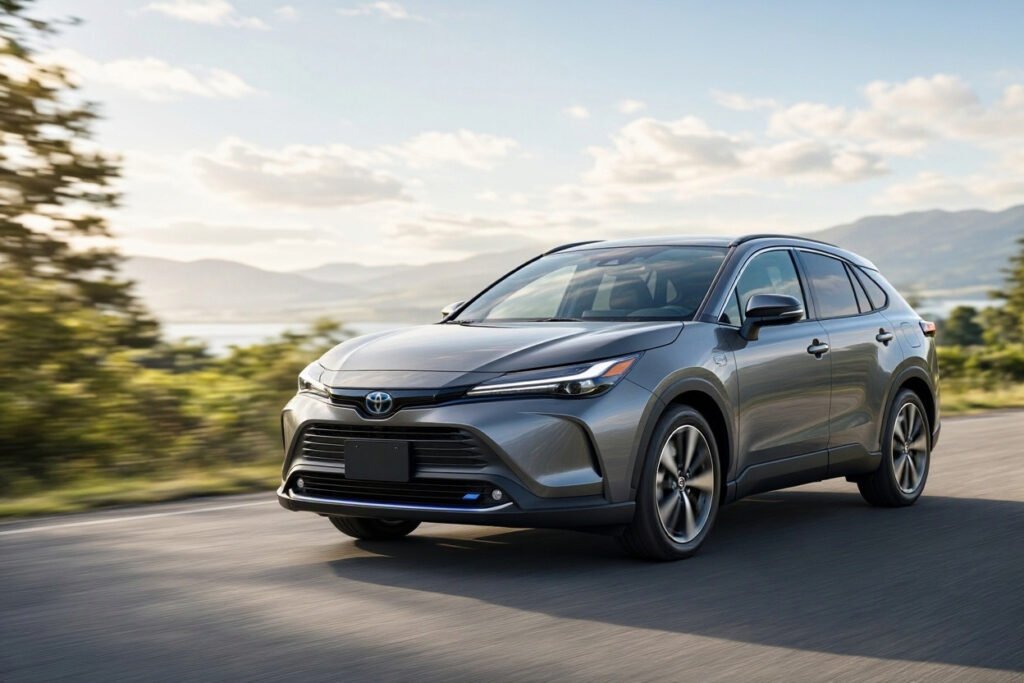
Hybrid vs. Regular Car at a Glance
| Feature | Hybrid Vehicle | Regular Gasoline Car |
|---|---|---|
| Main power source | Gasoline engine and electric motor | Gasoline engine |
| Battery | High-voltage battery plus a conventional 12-volt battery in many models | Usually a conventional 12-volt battery |
| Fuel consumption | Often lower, especially in city traffic | Depends on engine size, vehicle weight, and driving conditions |
| Braking energy | Can recover some energy through regenerative braking | Conventional brakes mainly turn movement energy into heat |
| Engine at a stop | May shut off automatically | May idle unless equipped with stop-start technology |
| Electric-only driving | Possible in some conditions and models | Not available in a standard gasoline-only car |
| Plugging in | Usually unnecessary for a conventional hybrid | Not applicable |
| Maintenance | Includes hybrid-specific components and checks | Primarily conventional engine and vehicle systems |
| Purchase price | May cost more than a comparable gasoline model | Often less expensive upfront |
| Driving experience | May be quieter and smoother at low speeds | Engine sound and feel are more consistently noticeable |
5 Useful Products for Hybrid and Regular Car Owners
These Amazon links lead to product search results rather than verified individual listings.
| Product | Why It May Be Useful | Amazon Search |
|---|---|---|
| OBD2 Diagnostic Scanner | Helps check compatible vehicle fault codes | Search Amazon |
| Digital Tire Pressure Gauge | Helps maintain the recommended tire pressure | Search Amazon |
| Portable Tire Inflator | Useful for topping up tires at home or on the road | Search Amazon |
| Car Battery Jump Starter | Can help with a compatible 12-volt battery emergency | Search Amazon |
| Hybrid Vehicle Battery Diagnostic Tool | May assist with hybrid battery diagnostics when compatible with the vehicle | Search Amazon |
Note: Hybrid battery systems vary by make and model. High-voltage battery diagnosis and repair should be handled by appropriately trained technicians.
1. Two Power Sources Instead of One
The biggest difference between a hybrid vehicle and a regular car is how each produces driving power.
A regular gasoline car burns fuel inside its engine. That process creates mechanical energy, which passes through the transmission and drivetrain to turn the wheels.
A hybrid vehicle has an additional source of power: an electric motor supplied by a battery. At certain times, the electric motor can move the car by itself. At other times, it assists the gasoline engine, particularly when the driver needs more acceleration.
The car’s control system coordinates these components automatically. The driver does not usually have to choose between gasoline and electric power manually.
2. Hybrids Can Save More Fuel in Stop-and-Go Traffic
Regular gasoline engines can consume fuel while idling at traffic lights and during congestion. They also lose much of the vehicle’s movement energy as heat when conventional brakes are used.
Hybrids address both situations.
Many hybrid models can shut off the gasoline engine when it is not needed, then use electric power to help the vehicle move again. Their regenerative braking systems can also recover some energy when the driver slows down.
These features often make hybrids particularly efficient in city traffic.
However, the difference is not identical for every vehicle. A small, efficient gasoline car may already achieve good fuel economy, while a heavy hybrid SUV may consume more fuel than a smaller regular car. Comparing similar vehicle sizes and models gives a more useful picture.
3. A Hybrid Has a More Complex Battery System
A regular gasoline car typically uses a 12-volt battery to start the engine and power its electrical accessories.
A hybrid normally has that conventional low-voltage electrical system as well as a separate high-voltage battery that supplies the electric motor. The exact design varies between manufacturers.
The high-voltage battery stores energy for electric driving and motor assistance. In a conventional hybrid, it is generally recharged through regenerative braking and, depending on the system, energy supplied by the engine.
This battery is a major reason the vehicle can operate differently from a regular car. It also introduces additional components that may require specialist diagnosis if something goes wrong.
4. Regenerative Braking Changes How Energy Is Used
In a regular gasoline car, the friction brakes slow the wheels by converting much of the vehicle’s kinetic energy into heat.
A hybrid can recover some of that energy instead.
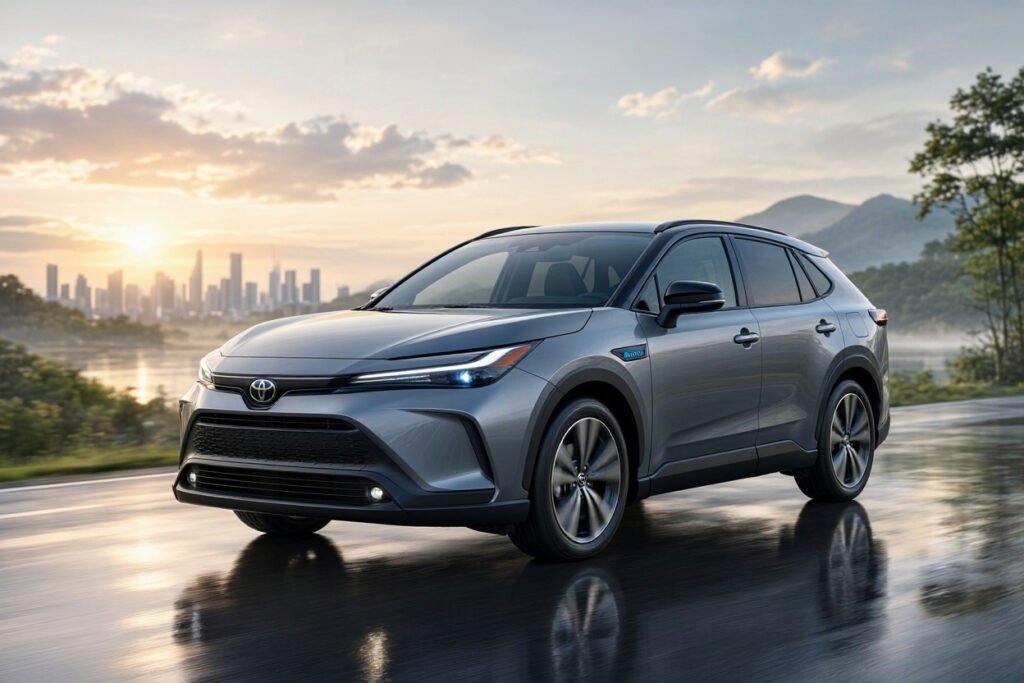
During regenerative braking, the electric motor acts as a generator. As the vehicle slows down, it converts some movement energy into electrical energy and sends it to the battery.
That stored electricity can later help move the vehicle.
Regenerative braking cannot recover all the energy lost during driving, and conventional friction brakes are still needed. Nevertheless, energy recovery is an important part of why hybrids can use less fuel in conditions involving frequent stops.
5. The Engine May Shut Off While the Car Is Moving
In a regular gasoline car, the engine usually continues running whenever the vehicle is being driven, apart from systems that automatically shut it off during certain stops.
A hybrid can operate differently. Under suitable conditions, it may switch off the gasoline engine and use its electric motor to maintain movement.
When the driver accelerates harder, climbs a hill, or requires more cabin heating, the engine may restart.
This switching is controlled by the vehicle’s computer, which considers battery charge, speed, power demand, and other factors. It is normal for many hybrids, although the exact behavior depends on the model.
6. Hybrid Cars Can Feel Quieter at Low Speeds
Because an electric motor can move a hybrid without running the gasoline engine, the car may be exceptionally quiet when pulling away or traveling slowly.
A regular gasoline car generally produces engine noise whenever its engine is running, though modern engines can be very quiet.
Hybrids are not always silent. Their gasoline engines can become audible during acceleration, uphill driving, or battery-management operations. Some models also produce artificial warning sounds at low speeds to alert pedestrians.
The difference is most noticeable in situations where the hybrid can rely heavily on electric power.
7. Purchase Price and Running Costs Are Different
A hybrid may cost more to purchase than a comparable regular gasoline model. That additional upfront cost can sometimes be recovered through fuel savings, but it is not guaranteed.
The result depends on how much you drive, local gasoline prices, traffic conditions, maintenance expenses, insurance, and the difference in purchase price.
For example, someone who drives long distances every day may benefit from lower fuel consumption more quickly than someone who drives only occasionally.
It is also important to consider resale value and the condition of the hybrid battery, especially when shopping for a used vehicle.
Rather than assuming that every hybrid is cheaper to own, compare the estimated total cost over the number of years you expect to keep the car.
8. Maintenance Is Similar in Some Ways but Different in Others
Hybrid vehicles still need many of the same maintenance tasks as regular cars. These include tire checks, brake inspections, cabin filters, coolant servicing where applicable, and following the manufacturer’s maintenance schedule.
Hybrids with gasoline engines also need appropriate engine maintenance, including oil and filter changes.
However, their electrical systems, high-voltage batteries, power electronics, and regenerative braking components introduce additional considerations. Some hybrids may experience less friction-brake wear because regenerative braking handles part of the slowing process, but actual brake life depends on the vehicle and driving conditions.
A hybrid does not automatically mean expensive repairs, just as it does not guarantee cheaper maintenance. Vehicle age, design, service history, parts availability, and technician expertise all matter.
9. A Hybrid Is Not Necessarily a Plug-In Vehicle
One common misunderstanding is that every hybrid needs to be connected to a charger.
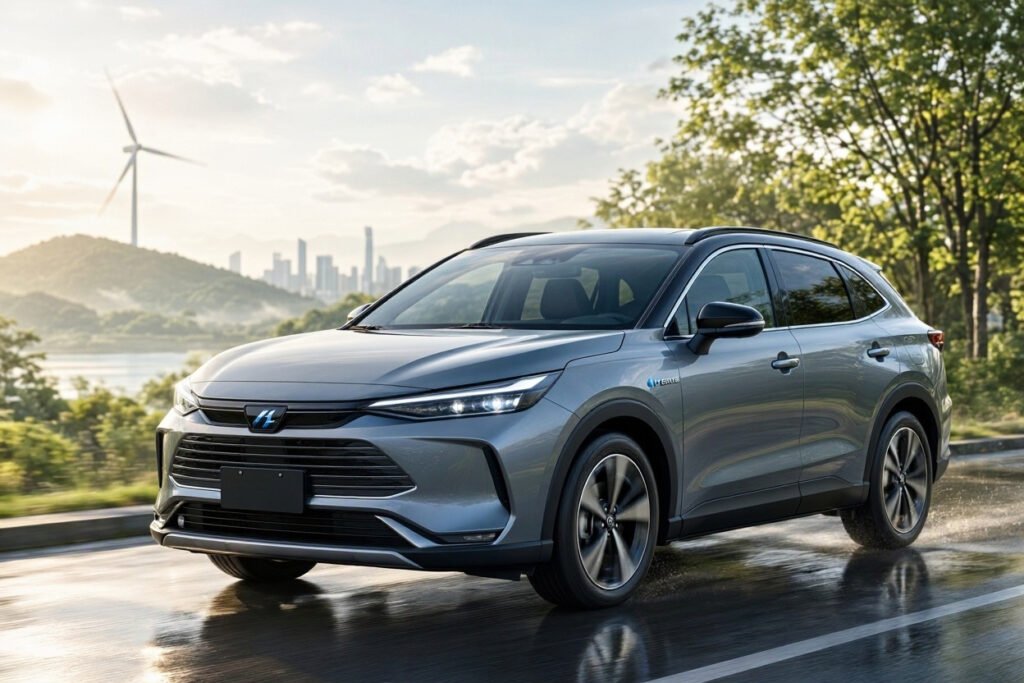
A conventional hybrid usually recharges its battery internally while driving. It does not normally need an external charging cable.
A plug-in hybrid is different. It has a larger battery that can be charged from an external power source and generally offers more electric-only driving capability.
A regular gasoline car has no electric driving battery that powers its wheels in the same way.
This distinction matters when choosing a vehicle. If you want some electric assistance without worrying about charging access, a conventional hybrid may suit you. If you want to complete many daily trips on electricity and can charge at home or elsewhere, a plug-in hybrid may be worth considering.
10. Which One Is Better for Everyday Driving?
Neither type is automatically the best choice for every driver.
A hybrid may be a strong option if you frequently drive in heavy traffic, cover substantial annual mileage, and want to reduce fuel consumption without relying on external charging.
A regular gasoline car may make more sense if the upfront price is your main concern, you drive relatively few miles, or a suitable hybrid model is difficult to service in your area.
Before making a decision, compare vehicles with similar sizes, performance, safety features, and equipment. Check real-world fuel economy, warranty coverage, local parts availability, and the cost of routine service.
For a used hybrid, request a proper inspection and review the service history. Do not judge battery health solely by the dashboard’s charge display.
What makes a hybrid vehicle different from a regular car is its ability to combine gasoline power with electric assistance. That arrangement lets it recover some braking energy, reduce unnecessary engine operation, and often use less fuel—particularly in stop-and-go driving.
A regular gasoline car is mechanically more straightforward in many respects, while a hybrid adds a battery and electric drive components to improve efficiency. Both can be sensible choices depending on purchase price, driving habits, maintenance support, and long-term ownership costs.
The best decision is not simply to choose the vehicle labeled “hybrid.” It is to compare the specific models and determine which one fits your daily driving needs and budget.


