A hybrid car can be travelling down a road, slow for traffic, or coast toward a red light when its gasoline engine suddenly becomes silent. The car continues moving, the dashboard remains illuminated, and the driver does not need to restart the engine manually. A few moments later, the engine may start again without any noticeable interruption.
This is not a malfunction. It is one of the defining features of hybrid technology.
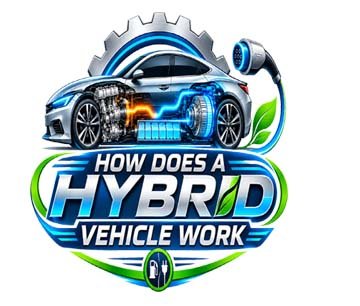
To understand how does a hybrid vehicle work when its engine turns off while driving, you need to look at the relationship between the gasoline engine, electric motor, high-voltage battery, and electronic control system. A hybrid is designed to shut down the engine when it is not needed and restore engine power when driving conditions demand it.
The process saves fuel by reducing unnecessary idling and allowing electric propulsion in suitable situations. However, the engine cannot remain off under every condition. Battery charge, road speed, cabin heating, engine temperature, and acceleration demand all influence the decision.
1. What Actually Happens When a Hybrid Engine Turns Off?
In a conventional gasoline car, the engine generally keeps running while the vehicle is moving, even when the driver lifts the accelerator. A hybrid can operate differently because its electric motor provides another source of propulsion.
When the control system determines that the gasoline engine is unnecessary, it stops fuel injection and ignition, and the engine stops producing power. The vehicle’s electrical systems remain active, and the electric motor can continue driving the wheels if the hybrid’s operating conditions permit it.
The driver may notice only a change in engine sound. In many hybrids, the transition is smooth enough to go unnoticed.
Several conditions can make engine shutdown possible:
- The vehicle needs little power to maintain its current speed.
- The battery has sufficient available energy.
- The electric motor can meet the immediate propulsion demand.
- Engine temperature and emissions-system requirements permit shutdown.
- Cabin heating and other vehicle systems do not require the engine to remain running.
The system evaluates these conditions continuously rather than relying on one fixed speed limit.
2. How the Electric Motor Keeps the Car Moving
The key to automatic engine shutdown is the electric traction motor. Unlike a gasoline engine, which needs combustion to produce torque, an electric motor converts electrical energy into rotational force.
When the gasoline engine switches off, the hybrid battery can supply electricity through power electronics to the traction motor. The motor then transfers torque through the drivetrain to the wheels.
This allows many full hybrids to continue driving during low-speed travel, gentle acceleration, or certain cruising conditions without burning gasoline.
For example, imagine moving slowly through a crowded parking area. If the battery has sufficient charge and the vehicle’s control system permits electric operation, the gasoline engine may remain off while the electric motor moves the car.
However, not all hybrids can drive with the engine switched off. Mild hybrids generally use electric assistance and engine stop-start technology but cannot independently propel the vehicle in most designs. Full hybrids and plug-in hybrids offer broader electric-driving capability.
The distinction matters because an engine that turns off at a traffic light is not necessarily providing electric propulsion while the car is moving.
3. How the Hybrid Computer Decides When to Stop the Engine
A hybrid’s electronic control system coordinates engine operation, motor output, battery charge, and transmission behavior. It receives information from sensors and uses programmed strategies to decide when the gasoline engine should run.
The decision involves more than fuel economy.
Battery condition: If the battery can supply the required power, the controller may allow electric driving. If its charge is low or its temperature limits available power, the engine may need to run.
Driving demand: When the driver accelerates gently, electric power may be sufficient. During hard acceleration or a steep climb, the engine may restart to provide additional power.
Engine temperature: The engine may need to remain on or restart to meet warm-up requirements and help the emissions-control system reach suitable operating conditions.
Cabin comfort: Some hybrids rely on engine heat for the cabin heater. If substantial heat or windshield defrosting is required, the engine may run even when the battery is charged.
Vehicle speed and drivetrain design: The available electric-driving range and engine-shutdown conditions differ between hybrid architectures.
These decisions happen automatically. The driver does not need to switch the gasoline engine off manually, and trying to force it to remain off may reduce performance or comfort.
4. Why Does the Engine Turn Off When the Car Is Coasting?
Coasting is another situation in which the engine may shut down, but the outcome depends on the vehicle’s design and operating conditions.
When a driver lifts the accelerator, the vehicle may need very little propulsion. Some hybrids can stop the engine and use the electric motor or drivetrain’s existing momentum to continue moving.
Other hybrids may keep the engine spinning, disconnect it mechanically from the wheels, or use a different strategy to balance efficiency and battery charging.
There is also an important distinction between coasting and regenerative braking. During regenerative braking, the electric motor acts as a generator, converting some of the vehicle’s kinetic energy into electricity. During coasting, the system may instead prioritize maintaining momentum with minimal propulsion or resistance.
Neither process recovers all the energy used to accelerate. Regenerative braking has conversion losses, and the amount of energy recovered depends on battery conditions and the driver’s braking demand. The U.S. Department of Energy describes regenerative braking as a key mechanism through which hybrid vehicles recover energy during deceleration.
5. Products That Can Help Diagnose Hybrid Engine-Shutdown Problems
Automatic engine shutdown is usually normal, but persistent warning lights or unusual behavior may indicate a fault. The following products can help with basic checks, depending on vehicle compatibility.
| Product | Best For | Why It’s Useful | Amazon Search Link |
|---|---|---|---|
| Hybrid-Compatible OBD2 Scanner | Reading diagnostic codes | Helps identify stored faults when the scanner supports the vehicle’s hybrid control modules | Search on Amazon |
| 12V Battery Tester | Checking the auxiliary battery | Helps assess the low-voltage battery that supports vehicle electronics and system activation | Search on Amazon |
| Digital Tire Pressure Gauge | Routine maintenance | Helps maintain recommended tire pressure and reduce unnecessary rolling resistance | Search on Amazon |
| Automotive Digital Multimeter | Appropriate low-voltage testing | Useful for basic electrical checks when used according to the vehicle’s service instructions | Search on Amazon |
These are Amazon search links rather than verified individual product listings. Before purchasing a diagnostic tool, confirm that it supports your vehicle’s make, model, year, and hybrid systems. High-voltage battery and motor-generator repairs should be handled by trained technicians using appropriate safety equipment.
6. Why Does the Engine Sometimes Start Again Without Warning?
A hybrid engine can restart as quickly as the control system determines that gasoline power is needed. The electric motor and engine are coordinated so that the transition does not require the driver to pull over or press a separate start button.
Common reasons for an automatic restart include:
- The driver presses the accelerator harder.
- Battery charge approaches the system’s preferred lower operating range.
- The vehicle begins climbing a hill or encounters a heavier load.
- The engine needs to warm up or support emissions control.
- The heating system requires additional engine-generated heat.
For example, a hybrid might approach a traffic light using electric power, stop with the engine off, and then restart the engine when the driver requests stronger acceleration. This is a normal operating pattern.
If the engine restarts frequently, that alone does not prove that the battery is failing. Cold weather, air-conditioning demand, short trips, and driving conditions can all increase engine operation. Persistent warning messages or a significant unexplained change in performance, however, should be investigated.
7. How Automatic Engine Shutdown Saves Fuel
A gasoline engine consumes fuel when it idles, even if the car is stationary and no useful distance is being covered. Hybrid systems reduce this waste by shutting the engine down whenever conditions allow.
They can also use electric power for suitable low-speed driving and recover part of the vehicle’s kinetic energy through regenerative braking. These features are particularly helpful in urban traffic, where vehicles repeatedly stop and accelerate.
However, engine shutdown does not guarantee lower fuel consumption in every situation. If the engine must repeatedly restart to provide heat or power, or the battery needs substantial recharging, the fuel savings may be smaller.
Drivers can help by accelerating smoothly, anticipating stops, maintaining correct tire pressure, and following the manufacturer’s maintenance schedule.
8. Is It Safe for a Hybrid Engine to Turn Off While Driving?
Yes. In a properly functioning hybrid designed for electric propulsion, automatic engine shutdown while moving is a normal part of operation. The vehicle’s control systems coordinate the engine, electric motor, and drivetrain to maintain propulsion when required.
Nevertheless, drivers should understand that an engine being off does not mean the entire vehicle is switched off. The car may remain in READY mode, with its electrical systems active and its traction motor available.
Never assume that a silent hybrid is parked or unable to move. Follow the dashboard indicators and the owner’s manual, and use the normal parking and shutdown procedures when leaving the vehicle.
If the car loses propulsion, displays a serious hybrid-system warning, or behaves unexpectedly, move to a safe location if possible and seek professional assistance.
Understanding how does a hybrid vehicle work when its engine turns off while driving comes down to the way its control system coordinates gasoline and electric power. When the engine is unnecessary, the system can shut it down to avoid wasted fuel. The electric motor may continue moving the vehicle, while the battery supplies the energy needed for propulsion.
When demand increases, battery conditions change, or the vehicle needs engine heat, the gasoline engine can restart automatically. Regenerative braking then provides another opportunity to recover some of the energy used during driving.
For most drivers, the important lesson is simple: a hybrid engine switching off while moving is usually a feature, not a fault. Understanding when and why it happens makes hybrid operation easier to recognize and helps owners get the most from their vehicles.