A hybrid car does something interesting every time you drive it. Sometimes the gasoline engine does the heavy work. Sometimes an electric motor takes over. During other moments, both systems work together, and when you slow down, the car can recover part of the energy that would otherwise disappear as heat.
Understanding how does a hybrid car work step by step is easier when you follow an actual journey rather than study a list of mechanical parts. Imagine getting into a hybrid, starting it on a cold morning, driving through traffic, accelerating onto a highway, and eventually parking at home. Each stage reveals how the vehicle manages fuel, electricity, and power.
1. Step One: You Switch On the Hybrid System
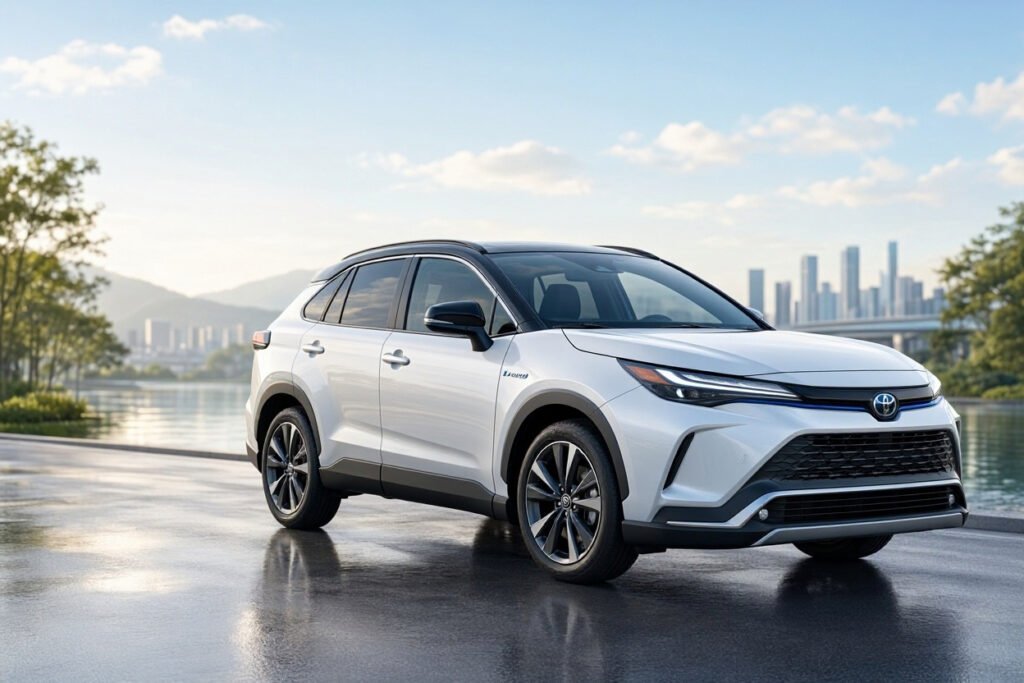
Press the start button, and the car’s electronic systems wake up. The dashboard displays its information, the control computer checks important components, and the vehicle prepares to move.
You might expect the gasoline engine to start immediately. In many full hybrids, it does not.
If the battery has sufficient available energy and conditions are suitable, the car can be ready to drive while the gasoline engine remains switched off. The electric motor can move the vehicle without waiting for the engine to warm up.
The engine may start if the battery needs additional energy, the weather is cold, cabin heating demands more power, or the driver requests strong acceleration.
This is the first important difference between a hybrid and a conventional gasoline car: switching on the vehicle does not necessarily mean starting the engine.
2. Step Two: The Electric Motor Gets the Car Moving
Imagine leaving your driveway and entering a quiet residential street. You press the accelerator gently, and the vehicle begins moving with very little noise.
In suitable conditions, the electric motor supplies the power needed to turn the wheels. Electricity flows from the hybrid battery through power electronics to the motor, which converts electrical energy into mechanical movement.
Why use an electric motor for this job?
An electric motor can produce useful torque almost immediately. It does not need to build engine speed in the same way a gasoline engine does. This makes electric assistance particularly useful when starting from rest or moving slowly through traffic.
However, not every hybrid can drive on electricity alone. Mild hybrids generally use their electric systems to assist the engine rather than propel the vehicle independently. Full hybrids offer electric-only driving under suitable conditions.
3. Step Three: The Gasoline Engine Joins When Needed
Now imagine pressing the accelerator harder to merge into faster traffic. The electric motor may no longer provide enough power on its own, so the gasoline engine starts.
Inside the engine, fuel burns in the cylinders and creates pressure that pushes pistons. The pistons turn the crankshaft, producing mechanical power.
Depending on the hybrid’s design, the engine can send power directly to the wheels, contribute through a shared drivetrain, or drive a generator that produces electricity.
The electric motor can continue helping during acceleration. Instead of asking the gasoline engine to handle every demand by itself, the hybrid system divides the workload between the available power sources.
The vehicle’s computer manages this transition automatically. The driver simply accelerates, steers, and brakes.
4. Step Four: The Car Chooses the Most Suitable Power Source
A hybrid does not follow one fixed rule for every journey. Its control system continually considers speed, battery charge, engine temperature, road conditions, and how much power the driver needs.
At low speeds, the electric motor may do most of the work. During strong acceleration, the engine and motor may operate together. At a steady cruising speed, the engine may provide most of the driving power.
Some hybrids use a power-split mechanism that allows the engine to drive the wheels and generate electricity through different power paths. Others use a more conventional transmission arrangement.
This flexibility explains why two hybrid models can behave differently even though both carry a hybrid badge.
5. Step Five: The Engine Shuts Down at Traffic Lights
You reach a red light and press the brake pedal. The car stops, but the engine may shut off automatically.
In a conventional car, an idling gasoline engine continues burning fuel even though the vehicle is stationary. A hybrid can avoid much of this unnecessary idling when the engine is not required.
When the light turns green, the electric motor can move the vehicle again, and the engine can restart if more power is needed.
The engine may remain running at a stop when the battery requires charging, the cabin needs substantial heating, or the engine must reach a suitable operating temperature.
Consequently, a hybrid does not promise that its gasoline engine will always remain off at traffic lights. It simply gives the vehicle another way to manage power.
6. Step Six: Braking Helps Recharge the Battery
Here is one of the most useful features of a hybrid. When you slow down, the car can recover part of the energy used to get it moving.
In a conventional vehicle, friction brakes turn much of the vehicle’s movement energy into heat. A hybrid can use regenerative braking to capture some of that energy.
During regeneration, the electric motor acts as a generator. The moving wheels drive the motor-generator, which converts mechanical energy into electricity. The battery stores that electricity for later use.
When you accelerate again, the stored energy can help power the electric motor.
There are limits. Regenerative braking cannot recover all the energy lost during driving, and conventional friction brakes remain necessary. Battery charge level, temperature, speed, and braking force all affect how much energy can be recovered.
7. Step Seven: The Hybrid Manages Battery Charge
A conventional full hybrid generally does not need to be plugged into an electrical outlet.
Its battery receives recovered electricity during braking and may also receive electricity generated using the gasoline engine. The vehicle’s control system manages the battery’s charge within an operating range designed for performance, efficiency, and battery life.
The engine may run to supply energy when necessary, but generating electricity from gasoline also consumes fuel. Therefore, the system balances the benefits of storing electrical energy against the energy lost during conversion.
A plug-in hybrid is different. It has a larger battery and a charging port, allowing it to travel farther on electricity when charged externally.
Before buying a hybrid, check whether the particular model is a mild hybrid, full hybrid, or plug-in hybrid. The differences affect how it drives, how it charges, and how much fuel it may use.
8. Step Eight: Highway Driving Changes the Balance
On a highway, you maintain a relatively steady speed for several miles. The hybrid may rely more heavily on its gasoline engine, especially when the engine can operate efficiently under a steady load.
Electric assistance remains available when the system needs it, such as during acceleration or climbing a hill. The engine may also generate electricity in certain operating conditions.
Because highway driving involves fewer braking opportunities, there may be less energy to recover than in stop-and-go city traffic.
This explains why hybrid fuel economy depends on the type of journey, not merely the vehicle’s badge. Speed, temperature, road gradients, tire pressure, and driving habits can all influence the result.
9. Step Nine: Parking Ends the Journey, Not the Maintenance
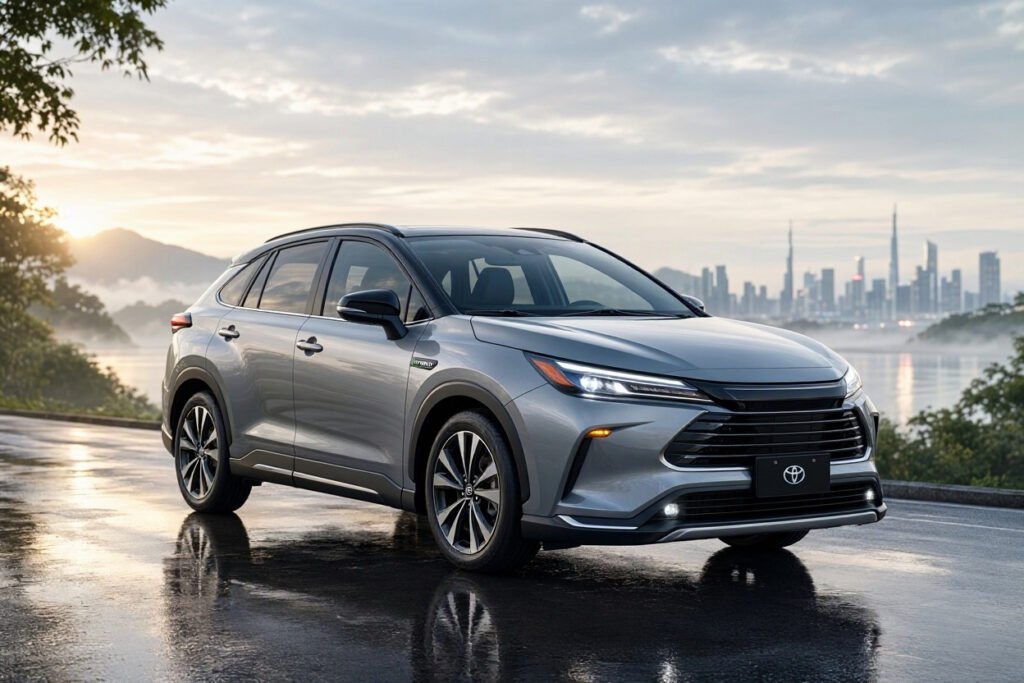
When you reach your destination and switch off the vehicle, the hybrid system shuts down its driving functions. The battery and control systems remain designed to operate according to the manufacturer’s specifications.
Routine maintenance is still necessary. The gasoline engine needs the correct oil and scheduled servicing, while the cooling systems, brakes, tires, and auxiliary 12-volt battery also require attention.
For a used hybrid, check its service history and have the hybrid system inspected by a qualified technician. Do not assume that every warning light indicates a failing high-voltage battery.
10. Is the Step-by-Step Hybrid System Worth It?
For drivers who spend considerable time in city traffic, a hybrid can offer meaningful fuel savings by reducing idling, using electric assistance, and recovering some braking energy. Drivers who regularly travel at steady highway speeds may see a smaller advantage.
The final decision should consider purchase price, expected mileage, fuel costs, maintenance, and the particular vehicle’s efficiency.

The key to understanding how does a hybrid car work step by step is energy management. The gasoline engine supplies power when needed, the electric motor helps when useful, and regenerative braking recovers some energy during deceleration. Together, these systems allow the car to make better use of its available energy without requiring a conventional full hybrid to be plugged in
Amazon Affiliate Product Suggestions
The following five product categories are relevant to readers interested in understanding or maintaining hybrid vehicles. These are Amazon search links, not verified individual product listings.
| Product | Why readers may need it | Amazon search link |
|---|---|---|
| Hybrid-compatible OBD2 scanner | Reads supported engine fault codes and vehicle data | Search on Amazon |
| Digital tire pressure gauge | Helps maintain correct tire pressure for safer, more efficient driving | Search on Amazon |
| 12V car battery tester | Checks the auxiliary battery separately from the high-voltage hybrid battery | Search on Amazon |
| Hybrid vehicle repair manual | Provides model-specific maintenance and troubleshooting information when available | Search on Amazon |
| Portable tire inflator | Allows drivers to top up tire pressure when needed | Search on Amazon |