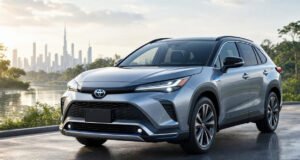
Hybrid cars are designed to combine gasoline power with electric driving, but the balance between these two systems can change significantly during winter. On cold mornings, drivers may notice that the gasoline engine starts sooner, runs longer at traffic lights, or stays active even when the battery display shows plenty of charge.
This behavior is usually part of the vehicle’s normal temperature-management strategy. Cold batteries may deliver less electrical power, the engine may need time to warm up, and the cabin heating system can create additional demands. As a result, the hybrid system may rely more heavily on gasoline until conditions improve.
Understanding why this happens can help drivers set realistic expectations for winter fuel economy and recognize when unusual behavior deserves attention.
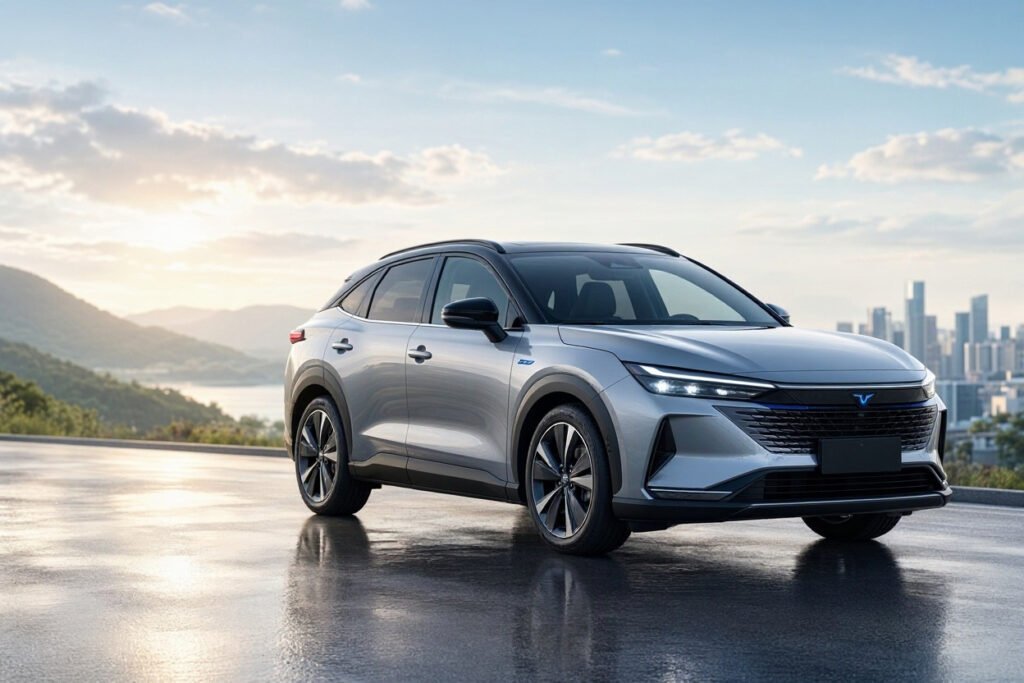
1. Cold Batteries Cannot Always Deliver Their Normal Power
Hybrid batteries work through electrochemical reactions that are affected by temperature. When the battery becomes cold, these reactions slow down, and internal resistance can increase. This may reduce the amount of power the battery can safely deliver or accept.
The battery management system monitors these conditions and adjusts how much electrical energy the vehicle can use. If the battery is too cold to provide its usual level of assistance, the gasoline engine may take on more of the workload.
For example, a hybrid that normally uses electric power during gentle acceleration may start its engine sooner on a freezing morning. The engine can then provide the extra power needed to accelerate without placing excessive demand on the cold battery.
This does not automatically mean the battery is damaged. In many cases, the restrictions are temporary and ease as the battery warms during normal operation.
2. The Gasoline Engine Needs to Reach Operating Temperature
A hybrid vehicle cannot always shut off its gasoline engine immediately after starting. When the car has been parked overnight in cold weather, the engine and its lubricating oil are below their normal operating temperatures.
The engine control system manages fuel delivery and combustion while the engine warms up. Depending on the model, the hybrid system may keep the engine running until certain temperature or operating conditions are satisfied.
This is different from a warm-weather journey, when the engine may already be warm or may not need to start at all during a short period of electric driving.
During winter, the engine may remain active even at low speeds or while the vehicle is stopped. Once it reaches the required operating conditions, the hybrid system may allow it to shut down more frequently.
3. Cabin Heating Can Increase Gasoline Consumption
Cabin heating is one of the biggest reasons some hybrids use their gasoline engines more often in winter.
Many conventional hybrids use heat generated by the engine to warm the passenger compartment. When the driver selects a high cabin temperature or activates the windshield defroster, the vehicle may run the engine to supply enough heat—even when little engine power is needed for propulsion.
This can reduce the time spent driving on electricity alone. It is particularly noticeable during short journeys because the engine may spend a large portion of the trip warming the cabin and itself.
Some newer hybrids and plug-in hybrids use electric heaters or heat pumps, which can reduce dependence on engine heat. However, these systems still require energy and may affect electric range.
Practical tip: Use a comfortable climate setting and make use of heated seats or a heated steering wheel if your vehicle has them. Always use the defroster when needed to maintain clear windows and safe visibility.
4. Regenerative Braking May Recover Less Energy
Regenerative braking converts some of the vehicle’s movement into electrical energy when the driver slows down. The recovered electricity can later help power the electric motor.
However, a cold hybrid battery may not be able to accept energy at its normal rate. To protect the battery, the vehicle’s management system can reduce regenerative charging until the battery reaches a suitable temperature.
When this happens, the battery may recover less energy during braking than it would in milder conditions. The gasoline engine may subsequently provide more of the power needed to move the vehicle.
Drivers may notice weaker regenerative braking or a different response from the usual braking system, depending on the model. The friction brakes continue to provide braking capability, and drivers should always allow adequate stopping distance on slippery winter roads.
5. Short Winter Trips Make the Problem More Noticeable
Short trips are especially demanding for hybrid vehicles during winter. Each time the car starts after sitting in the cold, the engine and other systems may need to warm up again.
Consider a five-minute journey to a nearby shop. The gasoline engine may start to provide heat or meet warm-up requirements, but the trip may end before the vehicle reaches its normal operating temperature. If the same journey is repeated later, the process can happen again.
Longer trips may allow the powertrain to reach normal operating conditions, although fuel economy still depends on road speed, traffic, heating demand, and temperature.
Combining errands into one journey can sometimes reduce the number of cold starts and improve overall fuel efficiency.
6. Why Hybrid Cars Switch to Gasoline in Different Situations
Several winter driving conditions can cause a hybrid to rely more heavily on its gasoline engine.
| Winter Driving Situation | Why the Gasoline Engine May Run More Often | Typical Effect |
|---|---|---|
| First start of the day | The engine may need to warm up | Longer initial engine operation |
| Cold battery | Available electrical power may be restricted | Less electric assistance |
| High cabin-heating demand | The engine may supply heat | Reduced electric-only driving |
| Windshield defrosting | The climate system may require engine heat | Engine may remain active while stopped |
| Cold battery during braking | Regenerative charging may be limited | Less recovered electrical energy |
| Strong acceleration | The battery may not provide enough power alone | Engine contributes more power |
These are general patterns rather than universal rules. Some hybrid models behave differently because of their battery chemistry, engine design, climate-control equipment, and software.
7. Products That Can Help With Winter Hybrid Driving
The following accessories can help with routine vehicle care and winter maintenance. They will not eliminate normal cold-weather engine operation, but they may help drivers monitor or maintain related systems.
| Product | Best For | Why It’s Useful | Amazon Link |
|---|---|---|---|
| Digital tire pressure gauge | Winter tire checks | Helps maintain the manufacturer’s recommended tire pressure as temperatures change | Shop tire pressure gauges |
| Hybrid-compatible OBD2 scanner | Checking warning lights | Reads compatible fault codes; access to hybrid battery information varies by vehicle and scanner | Shop hybrid OBD2 scanners |
| 12-volt battery tester | Checking the auxiliary battery | Helps assess the separate 12-volt battery that supports vehicle electronics and starting systems | Shop 12V battery testers |
| Windshield ice scraper | Frosty mornings | Helps clear frost and ice before driving | Shop windshield ice scrapers |
| Winter windshield washer fluid | Maintaining visibility | Helps remove winter road grime with appropriate freeze protection | Shop winter washer fluid |
Always verify compatibility before purchasing diagnostic equipment, and never attempt to service a high-voltage hybrid battery without the appropriate training.
8. How to Improve Winter Fuel Economy in a Hybrid
Although cold weather cannot be avoided, a few practical habits can reduce unnecessary gasoline use.
Drive gently after starting. Follow the owner’s manual and avoid aggressive acceleration while the vehicle is cold. Gentle driving helps limit sudden power demands.
Avoid extended idling just to warm the car. Most modern vehicles are designed to warm up through appropriate driving, but always follow the manufacturer’s instructions for your specific model.
Combine short errands. Completing several tasks in one trip may reduce repeated cold starts.
Use heating sensibly. Choose a comfortable temperature and use heated seats or a heated steering wheel when available. Never sacrifice visibility or comfort to the point that driving becomes unsafe.
Maintain proper tire pressure. Cold weather can lower tire pressure. Check it when the tires are cold and use the pressure specified on the vehicle’s tire-information label.
Keep up with maintenance. Use the recommended engine oil grade and address warning lights or unusual changes in performance promptly.
Allow the hybrid system to manage itself. Do not try to force the gasoline engine off or interfere with battery controls. The vehicle’s computer is designed to balance power, efficiency, and component protection.
9. When Should You Be Concerned?
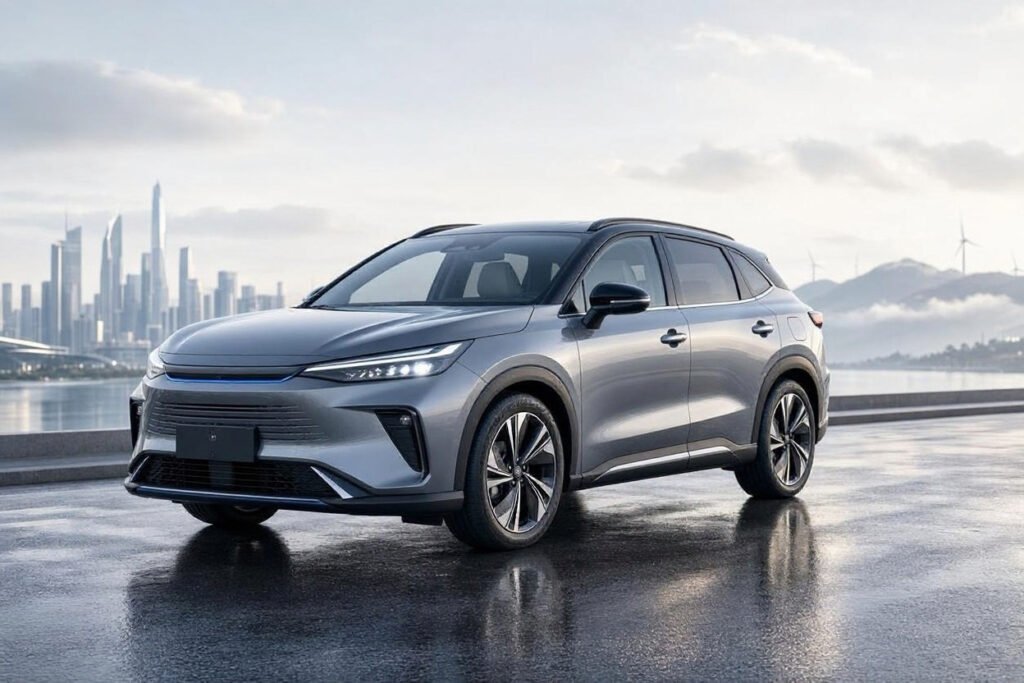
A hybrid switching to gasoline more frequently during a cold spell is usually normal, especially during the first part of a journey. Engine operation should change as driving conditions and temperatures change, although the timing varies between vehicles.
Consider having the car inspected if the engine continues running unusually often after the vehicle is fully warm, fuel economy drops dramatically without an obvious explanation, or you notice warning lights, unusual noises, poor starting, or persistent loss of power.
Potential causes can include maintenance issues, a weak 12-volt battery, problems with battery cooling or temperature sensors, or faults elsewhere in the hybrid system. A qualified technician can determine whether the behavior is normal or requires repair.
Hybrid cars switch to gasoline more often in winter because cold batteries may deliver less electrical power, engines need time to warm up, cabin heating demands energy, and regenerative braking may be limited. These systems work together to protect components and maintain comfortable, reliable driving.
A temporary increase in gasoline use during winter mornings does not necessarily indicate a problem with the hybrid battery. By driving smoothly, combining short trips, maintaining proper tire pressure, and using climate controls sensibly, drivers can reduce unnecessary fuel consumption while allowing the vehicle to operate as designed.